


July 25, 2026, Beijing. A clear whistle pierced the quiet of the competition hall at the China Zhigong Zhijia Hotel. 254 contestants from 28 teams representing 11 countries and regions turned their papers, focused their minds, and began to answer in unison. The hall was silent, yet in the mind of every contestant, a lightning-fast calculation on the abacus had already begun.
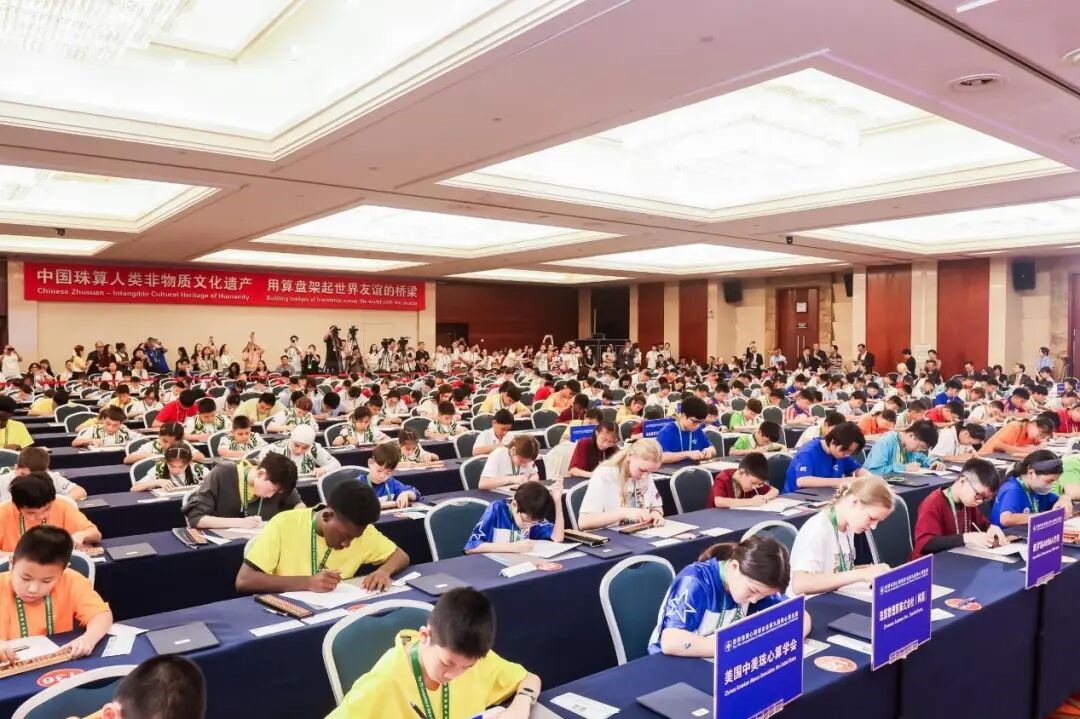
(Competition Scene)
This was the scene of the 9th Competition of Abacus and Mental Arithmetic of the World Association of Abacus and Mental Arithmetic (hereinafter referred to as "WAAMA"). Both the number of participating countries and regions and the number of contestants reached a record high in the history of the event. 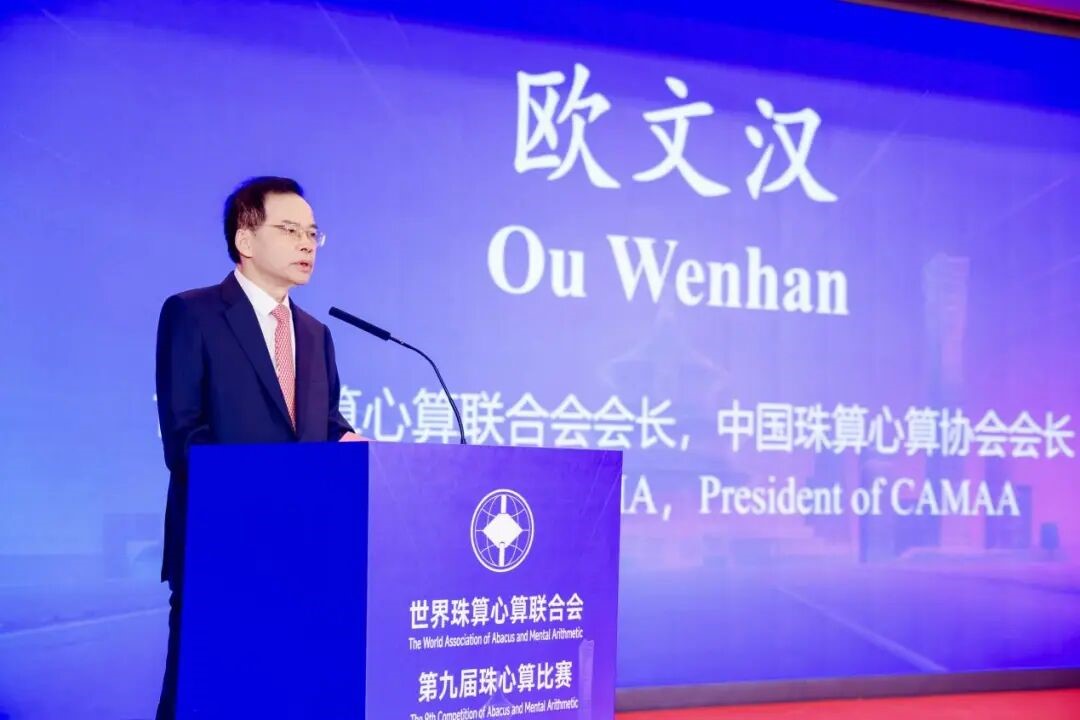
(Ou Wenhan, President of WAAMA and President of CAMAA, delivers a speech.)
In his opening ceremony address, Ou Wenhan, President of WAAMA, pointed out that Chinese Zhusuan is a great creation of the Chinese nation and a brilliant treasure of human civilization. In 2013, Zhusuan was inscribed by UNESCO on the Representative List of the Intangible Cultural Heritage of Humanity. He stated that this competition fully demonstrated the cohesion and appeal of Zhusuan as intangible cultural heritage transcending cultures and national borders.
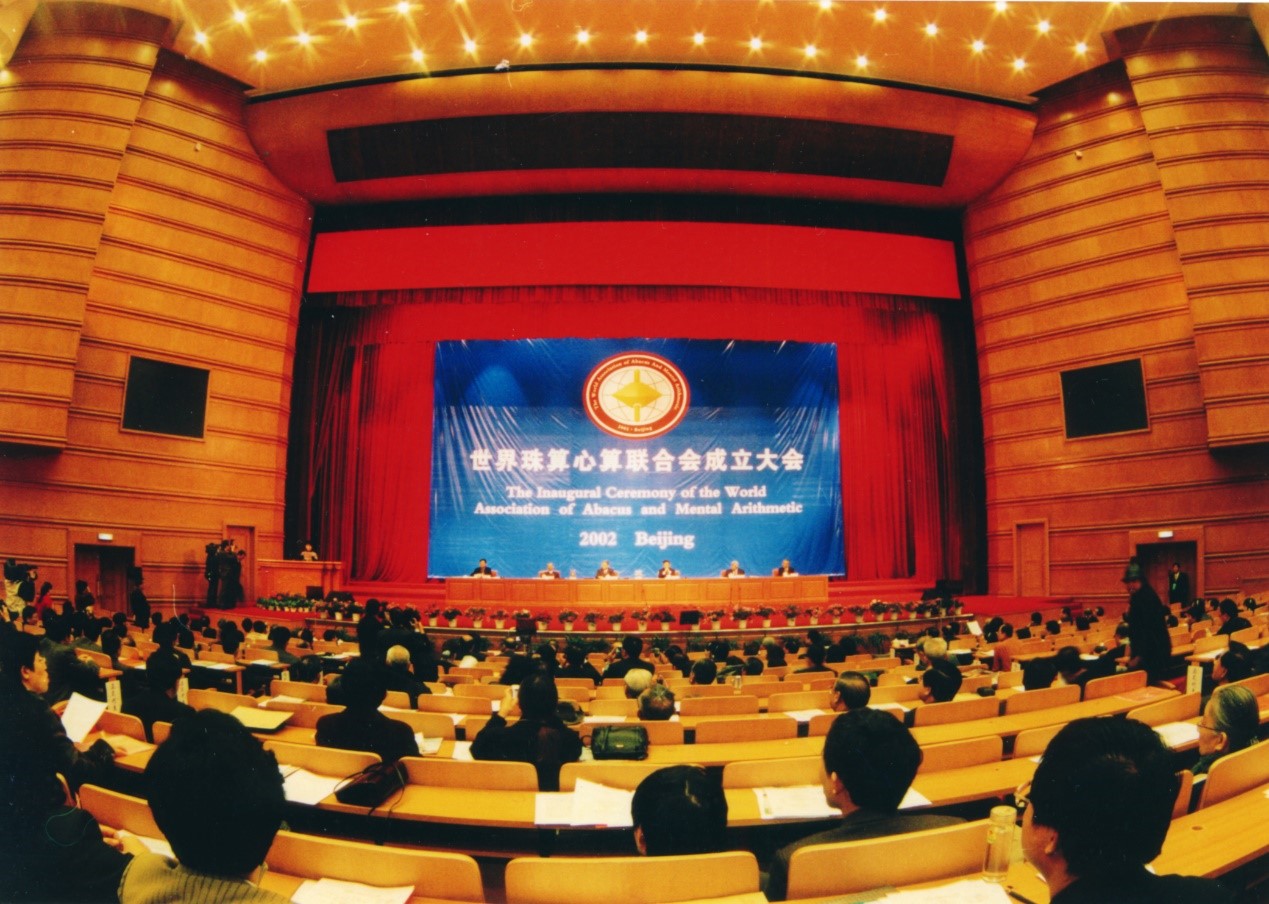 (The inaugural ceremony of WAAMA.)
It is worth noting that Beijing has a special connection with WAAMA competitions. In October 2002, WAAMA was founded in Beijing; in July 2014, the 5th Competition of Abacus and Mental Arithmetic was held in Beijing. Twelve years later, contestants gathered once again in Beijing — a city that has witnessed another important moment in the inheritance and development of Zhusuan culture.
I. Promoting Inheritance Through Competition, Passing on the Intangible Cultural Heritage of Zhusuan from Generation to Generation
Competitive events are an important vehicle for the living inheritance of Zhusuan as intangible cultural heritage, and a vivid window for cultural exchange and mutual learning.
This competition featured five groups: the Contestant Group, Group A, Group B, Group C, and Group D, balancing all-round competition with individual events. In the competition hall, children of different skin colors and mother tongues shared a common mathematical language — Zhusuan, rooted in ancient Chinese tradition. This common language was reflected in the mind of every child: together they manipulated an imagined abacus. Some still needed a physical abacus; some simulated bead manipulation with hand movements; others had already dispensed with hand movements entirely, completing the mental imagery of bead movement directly in their minds. From physical bead manipulation to simulated bead manipulation, and then to internalization in the mind — speed, skill, and thinking were all quietly advancing. 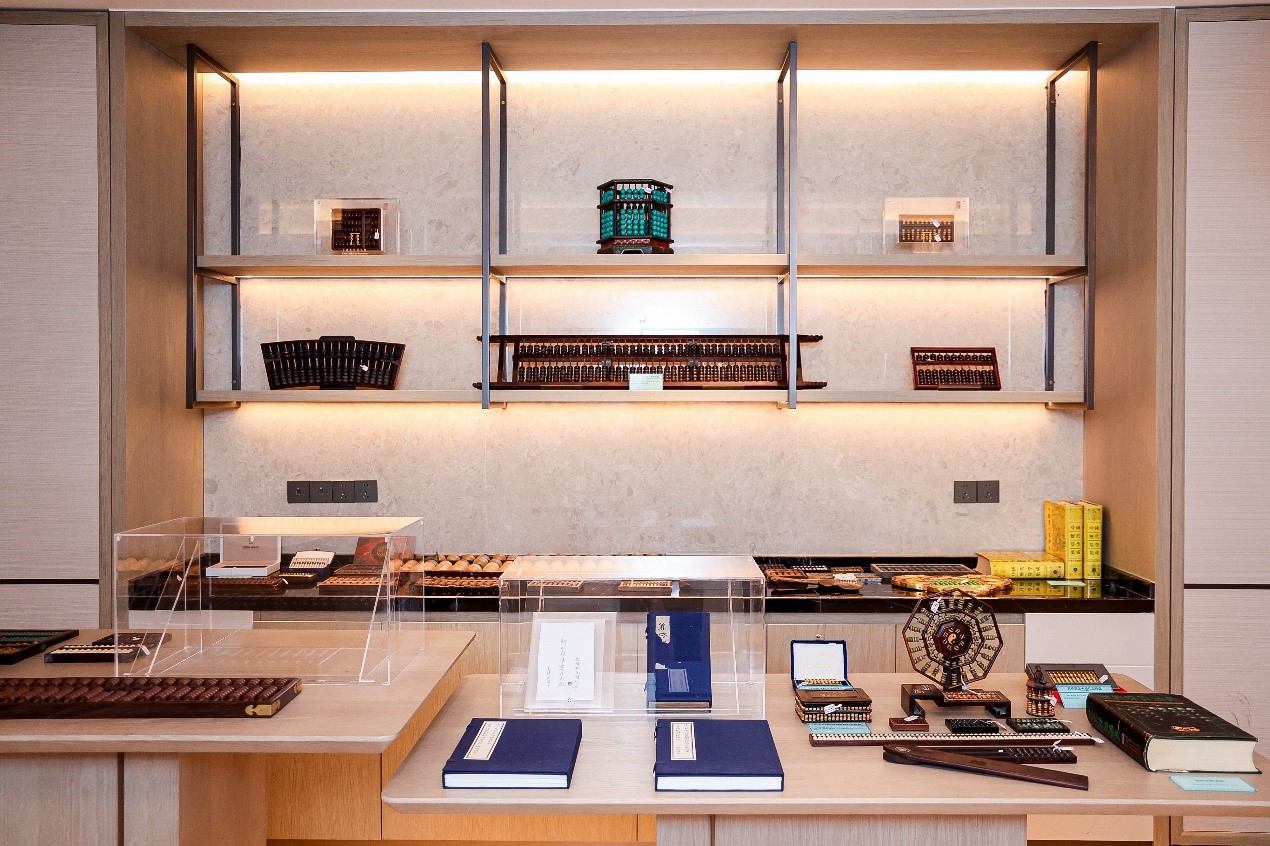
(Abacus Aligns with Stars, Hearts Soar to Glory — Intangible Cultural Heritage Exhibition of Abacus)
During the competition, the "Abacus Aligns with Stars, Hearts Soar to Glory — Intangible Cultural Heritage Exhibition of Abacus of the 9th Competition of Abacus and Mental Arithmetic of WAAMA" was held concurrently. Through historical ancient books, various abacus artifacts, and illustrated display boards, the exhibition systematically presented the historical evolution and contemporary value of Zhusuan, from a traditional calculation tool to intangible cultural heritage. Wang Haiming, Director of the Nantong Chinese Abacus Museum, introduced that during the development of the "Two Bombs and One Satellite" project, researchers relied on abacuses, hand-cranked calculators, and slide rules to complete a large number of complex calculations; Huang Xuhua, chief designer of China's first nuclear submarine, also used an abacus in his work on nuclear submarine development.
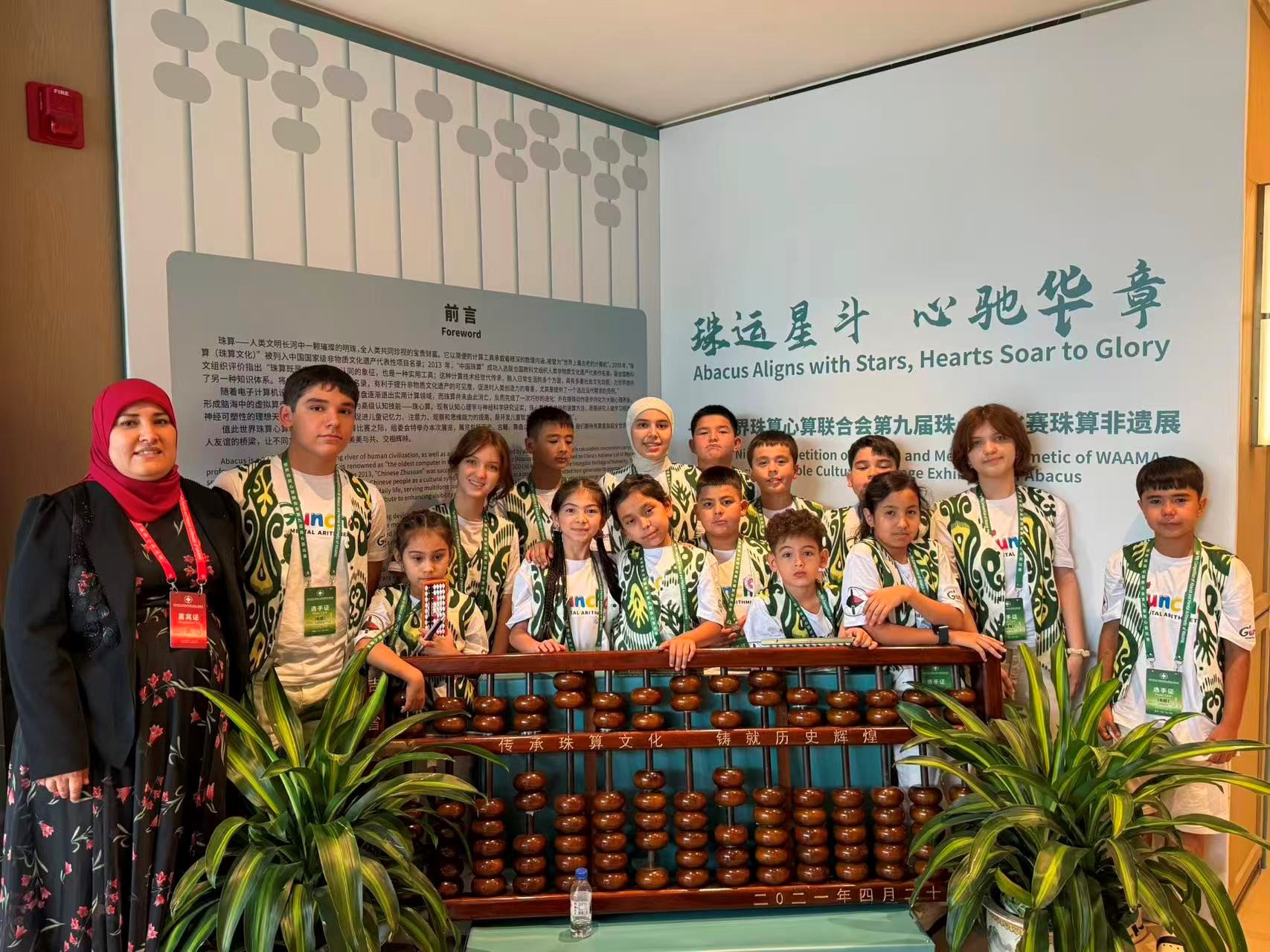
(Educational Center "Guncha", Uzbekistan)
The flame of inheritance was also ignited in the hearts of international contestants. The Educational Center "Guncha" from Uzbekistan participated in a WAAMA competition for the first time. Coach Khidoyatova Gulzoda Maratovna remarked that watching children from different countries and regions effortlessly complete hundreds of problems in 9 minutes, they finally became convinced that nothing is impossible. The children know that the abacus is not merely a calculation tool, but a symbol of wisdom and diligence.
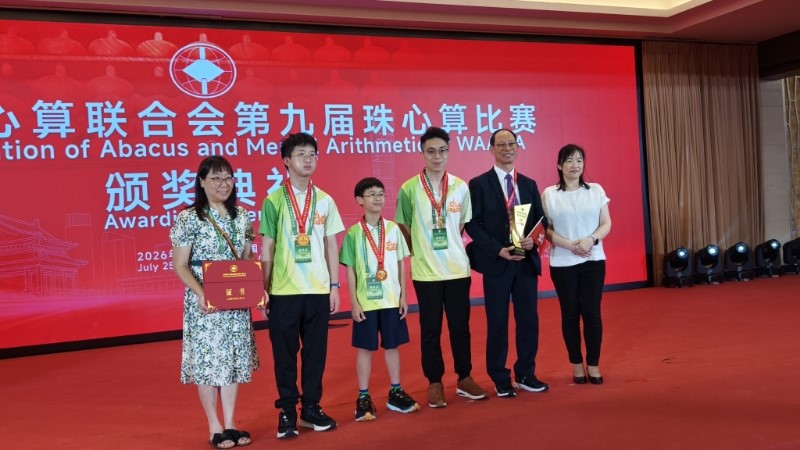
(Association of Professional Abacus Education (HK) Limited, Hong Kong SAR, China)
Ammon Ng, President of the Association of Professional Abacus Education (HK) Limited, Hong Kong SAR, China, summarized his reflections on the competition with the phrase "using the abacus as a medium, transmitting the spirit through the mind." He stated that the event was a gathering of elites, orderly and full of warmth — not only a professional competitive event for abacus and mental arithmetic enthusiasts worldwide, but also an important platform for inheriting Chinese intangible cultural heritage, connecting industry exchanges at home and abroad, and supporting the growth of young people.
II. Empowering Intelligence Through Technology, Expanding Public Education in Abacus and Mental Arithmetic
Abacus and mental arithmetic is a creative transformation and innovative development of Zhusuan in the contemporary era. Integrating multidisciplinary theories from education, psychology, and brain science, it has formed a uniquely distinctive educational system for intellectual development across the globe.
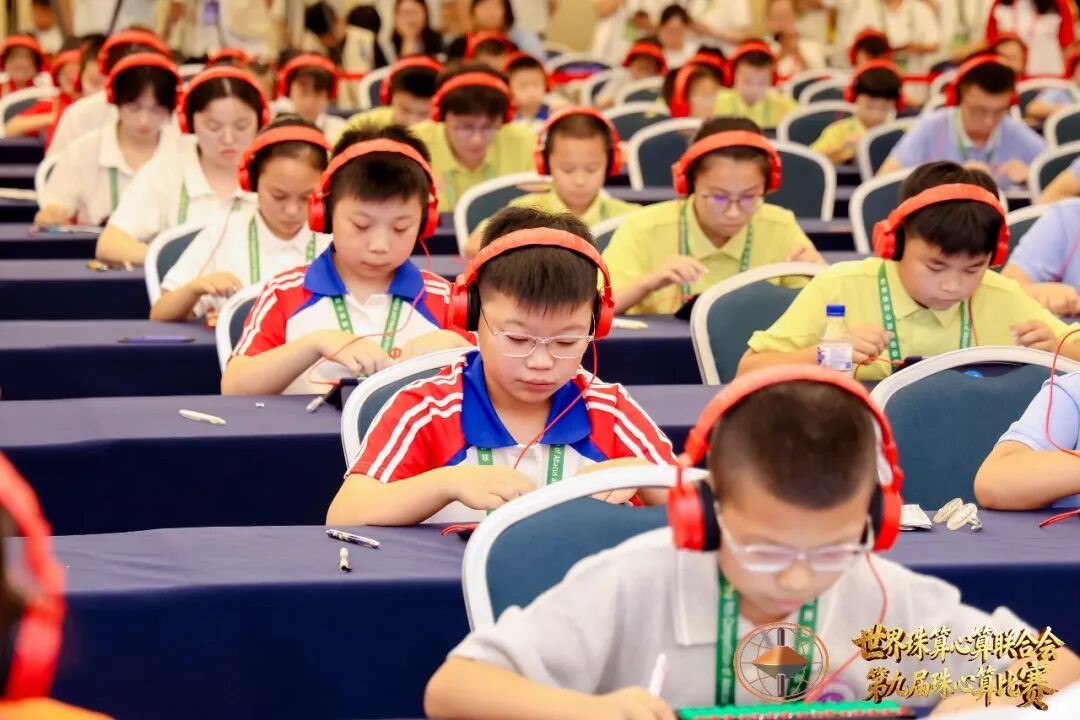
(Flash Calculation and Marathon Calculation competition venue)
While continuing the traditional competition system, this competition innovatively introduced two technology-integrated feature events: Flash Calculation and Marathon Calculation. Contestants used a dedicated competition application on tablet computers to complete tasks, with numbers either scrolling upward on the screen or appearing as rapid flashes. This was not only a test of calculation speed, but also a comprehensive challenge to concentration, reaction speed, and psychological resilience.
"Optional events are presented by the tablet system, contestants directly input their answers, and results for each group are ranked in real time on the large screen — the scene was truly inspiring." Wang Weida, Deputy Chief Referee of the Competition and National-level Representative Inheritor of the Intangible Cultural Heritage Project "Abacus (Abacus Culture)," stated in his post-competition article. He believes that this competition allowed tradition and modernity to complement each other, enabling ancient wisdom to shine with contemporary brilliance.
The introduction of technology also provided a new dimension for observing the cognitive value of abacus and mental arithmetic. Chen Feiyan, Professor and Doctoral Supervisor at the School of Physics, Zhejiang University, stated during the live broadcast commentary of the event that abacus and mental arithmetic conforms to children's learning patterns and can cultivate number sense and visual-spatial ability; the training process requires the coordinated participation of hands, eyes, ears, and brain, and long-term practice can enhance concentration, memory, observation, and logical thinking — comprehensive qualities that can be transferred to various learning scenarios.
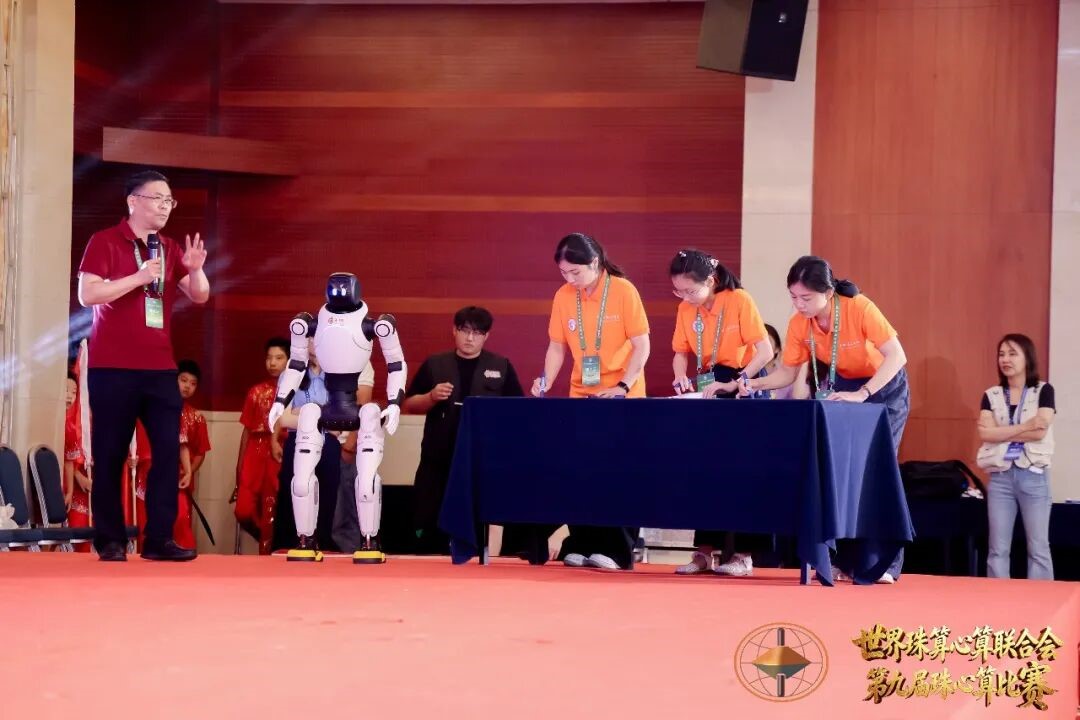
(Chinese abacus and mental arithmetic contestants compete alongside an intelligent robot)
At the competition venue, Chinese abacus and mental arithmetic contestants also engaged in a calculation interaction with an intelligent robot. "Artificial intelligence is an external computing tool, while abacus and mental arithmetic is an internal carrier of thinking training — the two are not in opposition," Wang Haiming said. "No matter how advanced computing tools become, the enhancement of human capability is fundamental."
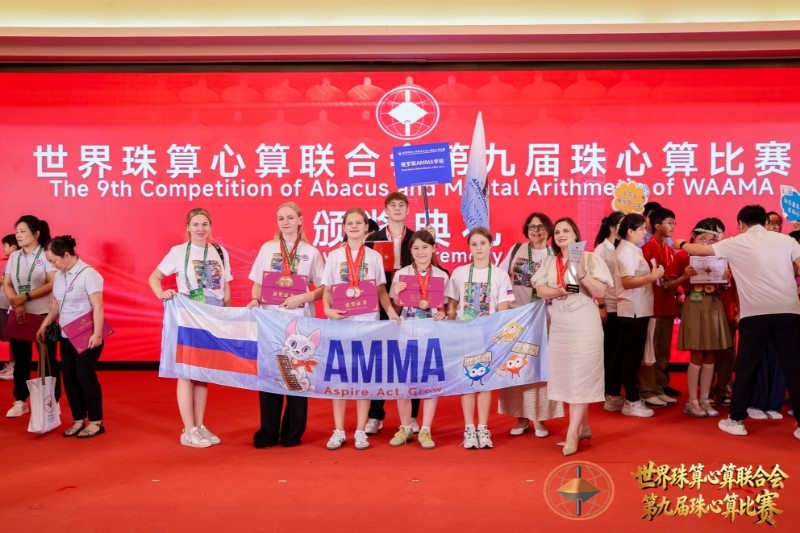
(Abacus Maths of Mental Arithmetic – AMMA, Russia)
Shumeiko Elena, coach at Abacus Maths of Mental Arithmetic – AMMA, Russia, wrote in her post-competition reflections: "The unique value of the abacus lies in something that no digital system can create on behalf of a child: the process of developing an internal mental skill. Technology should support tradition rather than replace the thinking processes that lie at its foundation."
III. Uniting Strength Through Cooperation, Jointly Charting a Blueprint for Global Innovative Development
Ou Wenhan pointed out that 2026 marks the 20th anniversary of the entry into force of UNESCO's Convention for the Safeguarding of the Intangible Cultural Heritage. WAAMA has always taken the Convention as its fundamental guide, dedicating itself to protecting, promoting, and developing Zhusuan as intangible cultural heritage, and advancing the sustainable development of abacus and mental arithmetic worldwide.
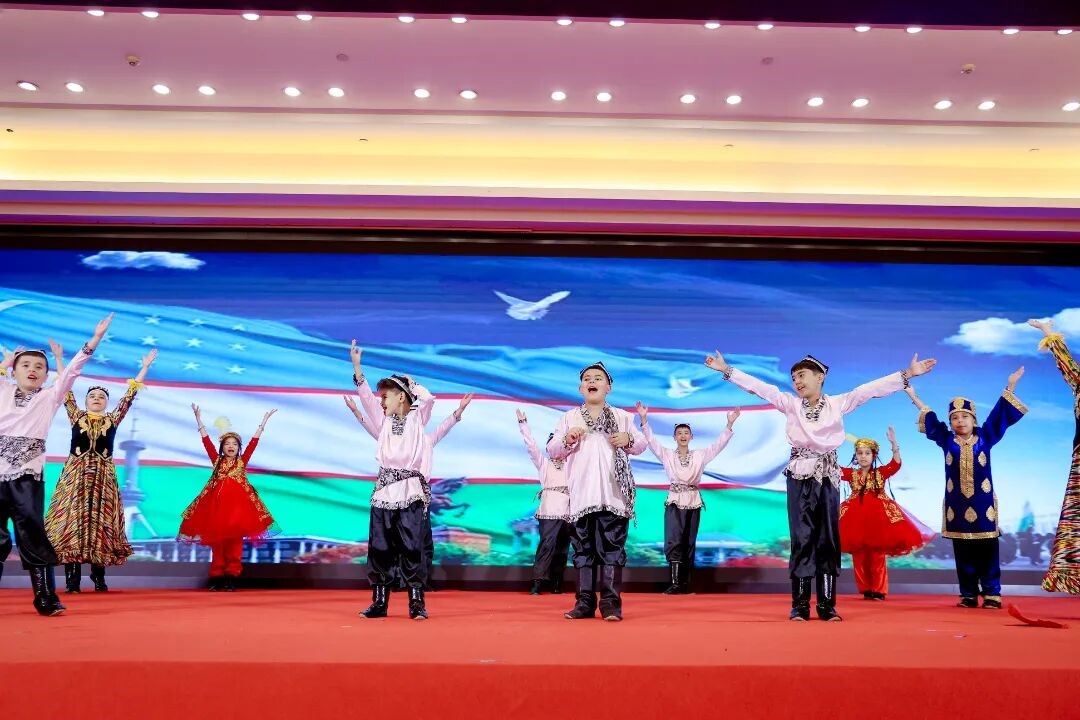
(Contestants from the Educational Center "Guncha", Uzbekistan, perform)
During this competition, cultural exchange and competitive events unfolded in parallel. Abacus and mental arithmetic contestants from the United States, Uzbekistan, and other countries presented distinctive performances; Beijing intangible cultural heritage inheritors and young members of the Zhongguancun Wushu Team jointly showcased national and municipal (district)-level intangible cultural heritage projects such as Baizhifang Tai Shi (Traditional Lion Dance), traditional vocal mimicry (Kouji), and Chinese martial arts; an intelligent robot also performed a dance. The platform for mutual learning among civilizations, built through the competition as a bridge, vividly demonstrated the vitality and creativity of traditional Chinese culture.
Feedback from international participating organizations confirmed the power of this cooperation.
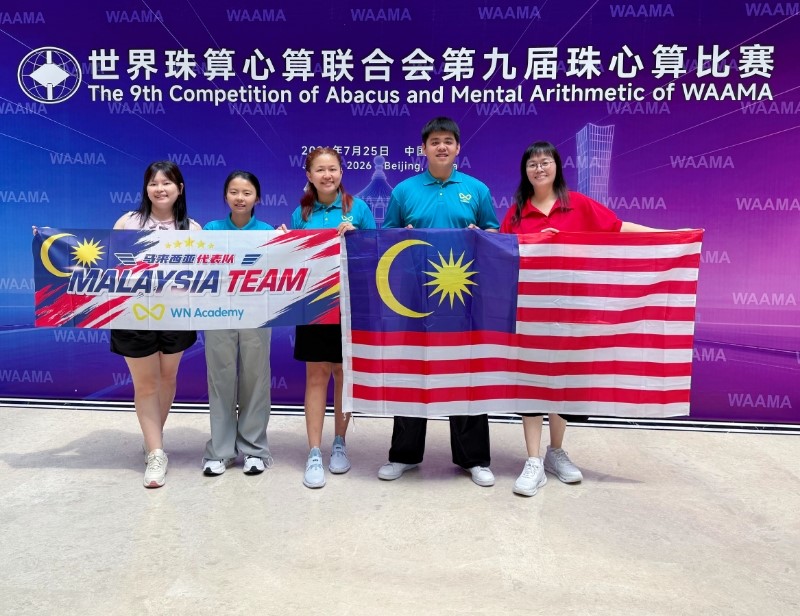
(Bina Jaya Ventures Sdn. Bhd., Malaysia)
Bina Jaya Ventures Sdn. Bhd., Malaysia, wrote in its reflections: "To see in person the abacus and mental arithmetic masters we previously knew only through television programs, and to have the opportunity to exchange with outstanding contestants and coaches from different countries and regions — these precious experiences broadened our students' horizons and strengthened their belief in continuing to learn abacus and mental arithmetic."
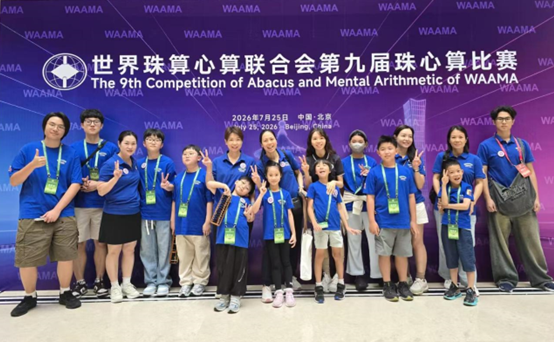
(Creative Abacus Association, Hong Kong SAR, China)
Creative Abacus Association, Hong Kong SAR, China, stated in its reflections: "The rankings and awards on the competition field will eventually settle, but the qualities of concentration, resilience, and teamwork forged through this event, along with the original aspiration of carrying forward intangible cultural heritage, will endure and remain ever fresh."
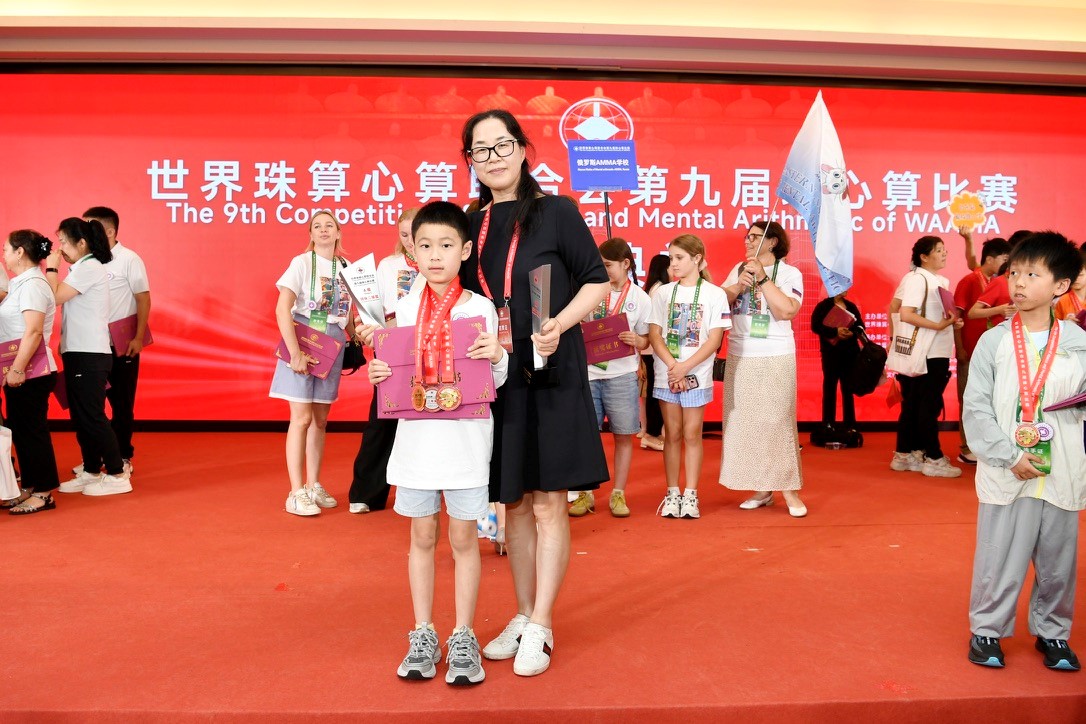
(Australia Abacus and Mental Arithmetic Inc.)
The parent of Ryan, winner of the Group D Grand Prize from Australia Abacus and Mental Arithmetic Inc., wrote: "Abacus and mental arithmetic has brought my child not only improved calculation ability, but also invaluable qualities such as concentration, self-discipline, resilience, and confidence. I sincerely thank WAAMA for building a high-level international exchange platform, and I hope this intangible cultural heritage will be inherited and promoted even more widely."
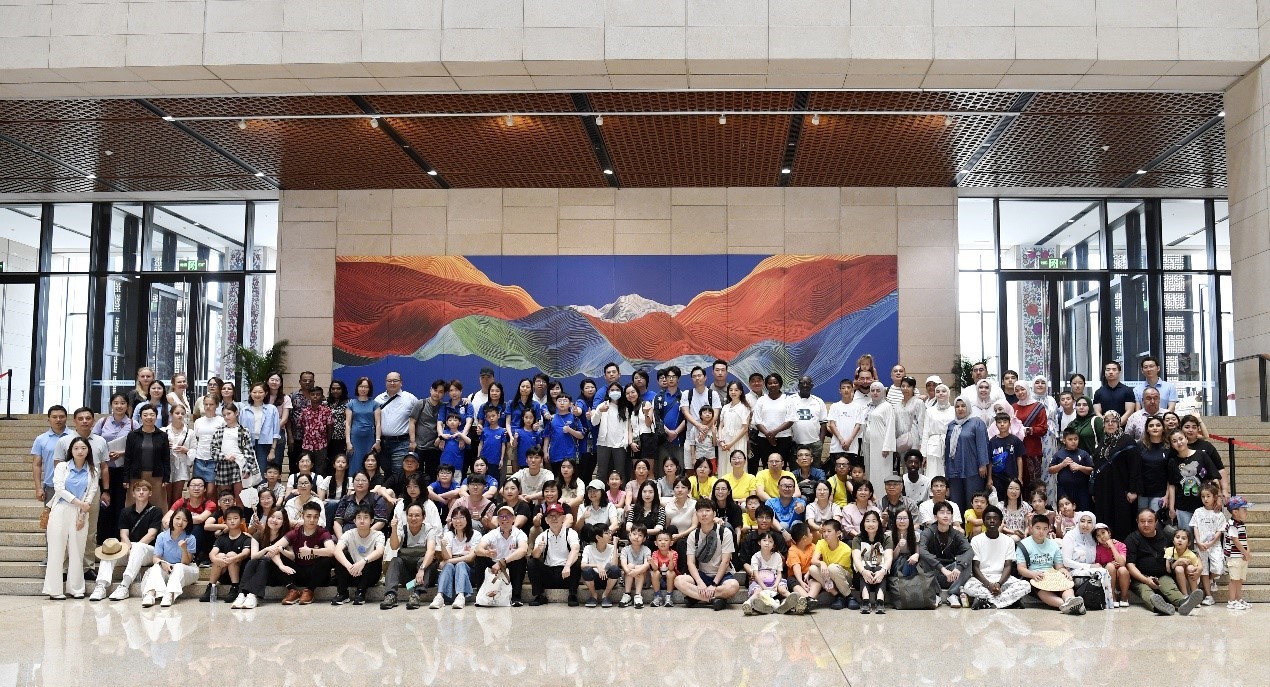 (Visit to the China Intangible Cultural Heritage Museum)
After the competition concluded, the Organizing Committee arranged for approximately 160 overseas contestants, team leaders, coaches, and parents to visit the China Intangible Cultural Heritage Museum, where they experienced the profound heritage of Chinese intangible cultural heritage through hands-on activities such as woodblock printing and round fan painting. Huey Chiang Huang, Founding President of the Chinese American Abacus Association, said after the visit: "The hands-on experience on site is something no AI or 3D virtual imagery can replace — it allows people to truly touch the texture of culture."
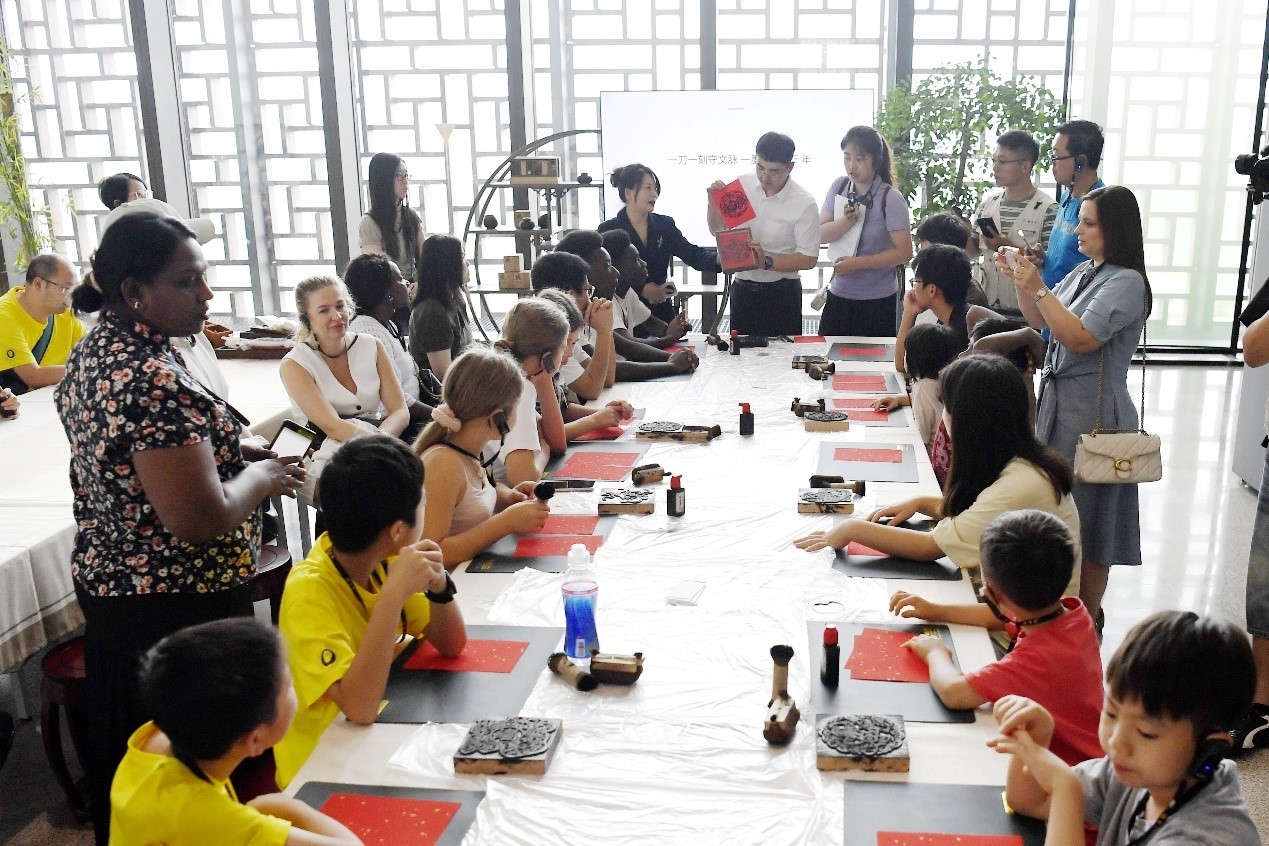
(Hands-on experience of woodblock printing)
Choi Sung-won, President of the Federation of Korea Abacus Associations, South Korea, wrote in his letter of greetings: "Since abacus and mental arithmetic education was inscribed by UNESCO as an intangible cultural heritage of humanity, it has taken root and developed in numerous countries and cities as an important educational content for human intellectual development." Fotofili Napa'a of the Tonga Soroban Education Association stated in his letter of thanks: "We look forward to strengthening our partnership and continuing our cooperation in future events." Sally Chou, President of the Chinese American Abacus Association, noted in her letter of thanks: " Our students returned home not only with competition experience, but with new friendships and a renewed love for abacus and mental math."
These voices from around the world converged into a single conviction: Zhusuan belongs not only to China, but to the world.
IV. Outlook: Let Abacus Wisdom Continue to Renew in the Digital Era
Against the backdrop of deepening exchange and mutual learning among human civilizations, WAAMA will always uphold the concept of "union," take gathering strength from all sectors and advancing the cause as its core mission, and work together with all member organizations to continuously improve exchange mechanisms, expand cooperation networks, and promote resource sharing.
From its founding in Beijing in 2002 to now having 64 member organizations from 23 countries and regions; from the first Competition of Abacus and Mental Arithmetic of WAAMA in 2004 to the 9th Competition with 254 contestants setting a record high — every step WAAMA has taken has injected new momentum into the global inheritance and development of Zhusuan as intangible cultural heritage.
Although the competition has ended, the inheritance, development, and innovation of abacus and mental arithmetic are always ongoing. Beyond the competition venue, exchanges among WAAMA member organizations continue, and the seeds of Zhusuan as intangible cultural heritage are being sown further afield. To pass on Zhusuan, a treasure of humanity's intangible cultural heritage, from generation to generation; to enable more young people to know, learn, and love the abacus; and to let ancient wisdom continue to renew itself in the digital era — this is the shared mission and vision of WAAMA and the global abacus community.